Percorso
Naturalistico Monumetale
Villa Spina: Un Patrimonio di Storia e Bellezza a Palermo
Gardens and Points of Interest at Villa Spina
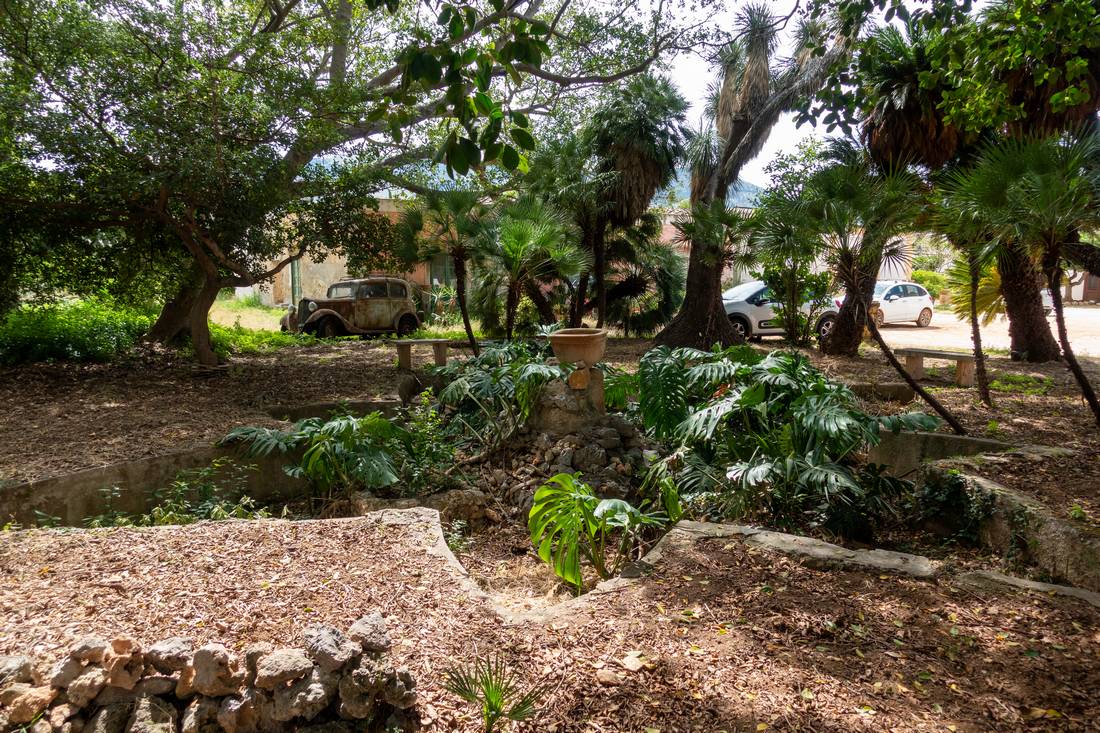
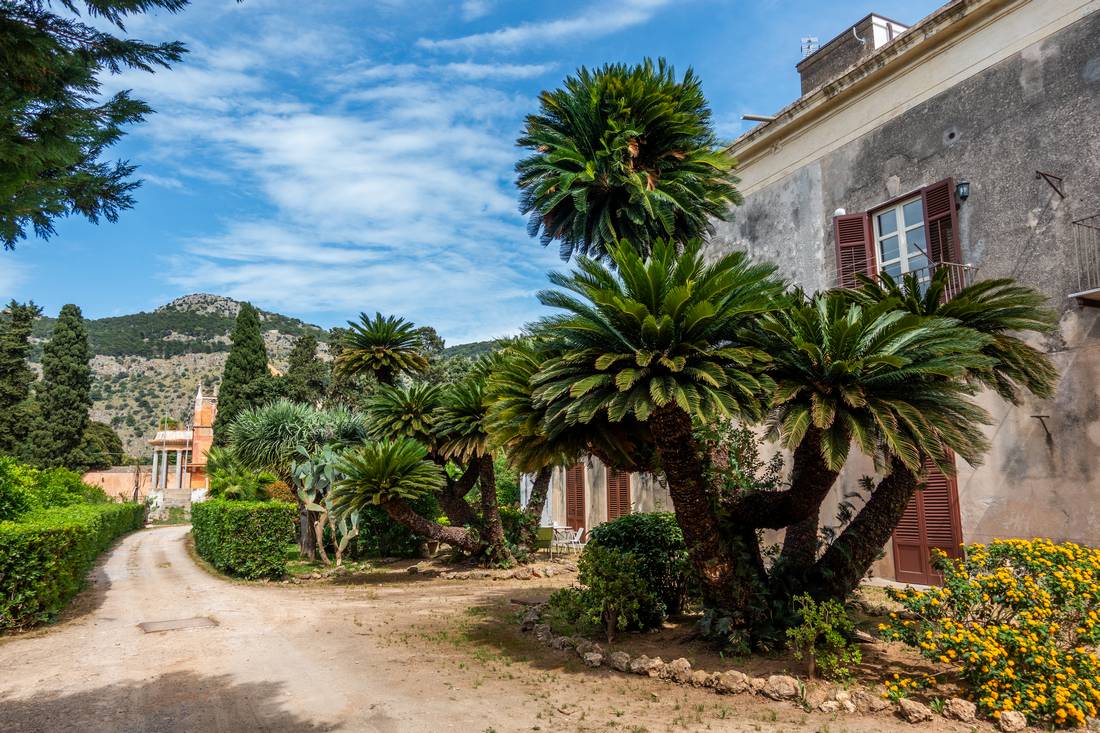
Villa Spina in Palermo is characterized by a historic garden that surrounds it. The park, considered one of the few remaining almost intact, is characterized by a variety of plants typical of eighteenth-century gardens and an original layout with exedrae, fountains, statues and balustrades. A main avenue crosses the garden and leads to different areas once used as orchards.
Notable Elements of the Garden:
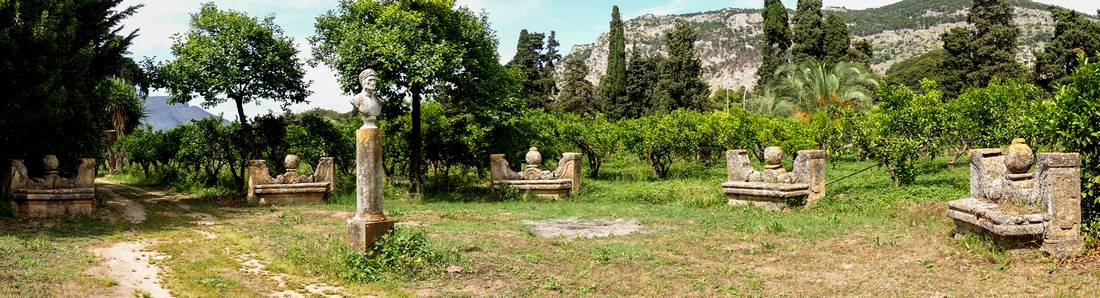
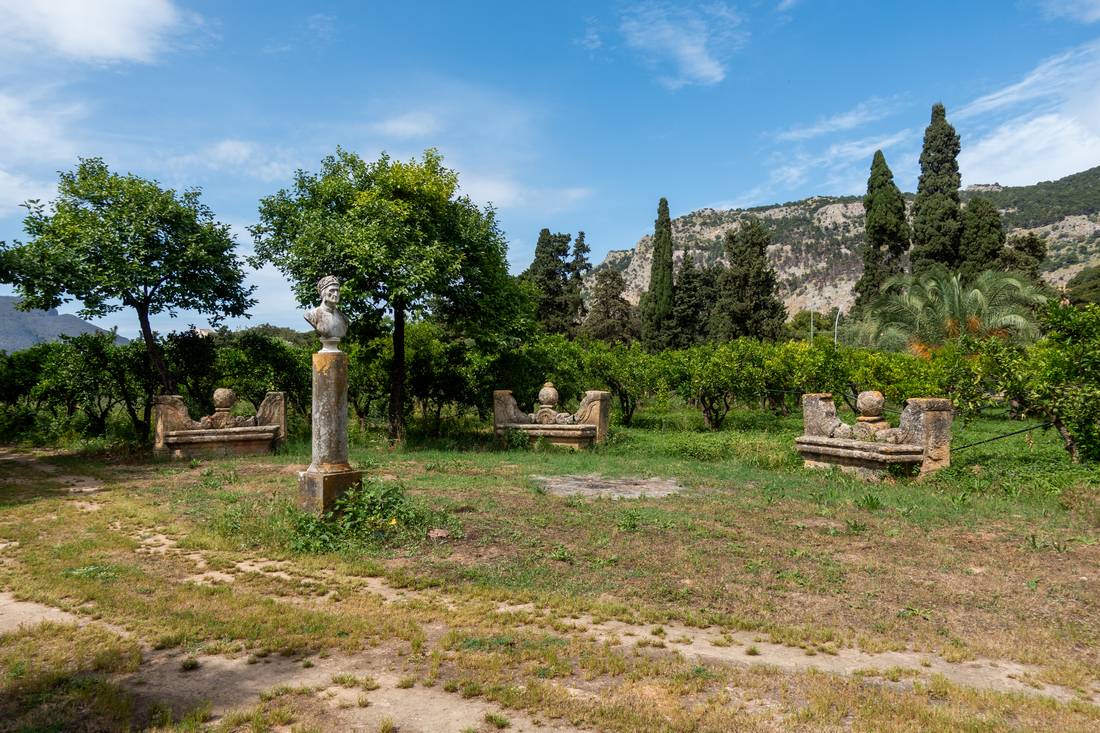
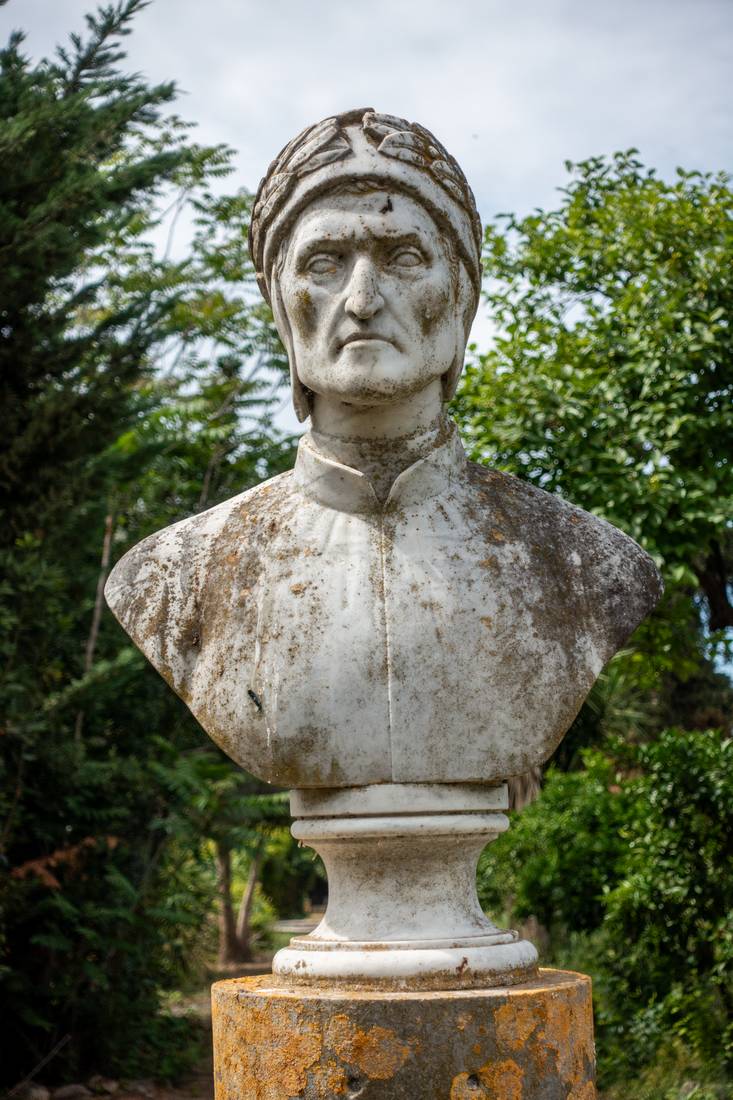
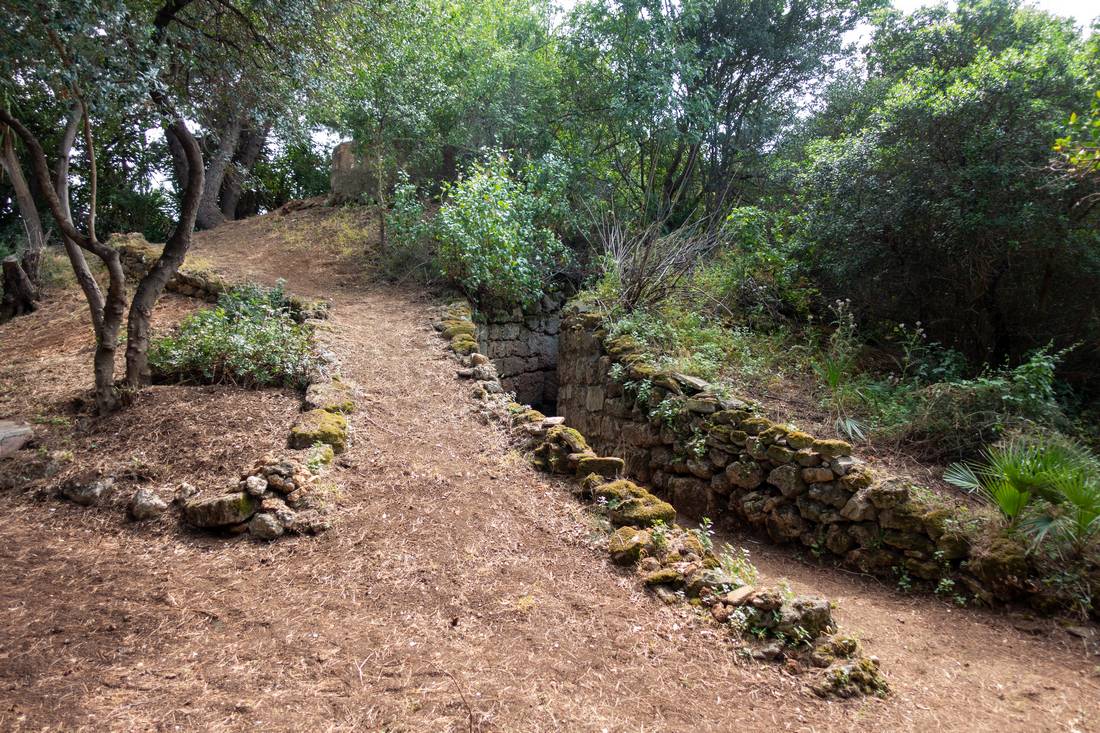
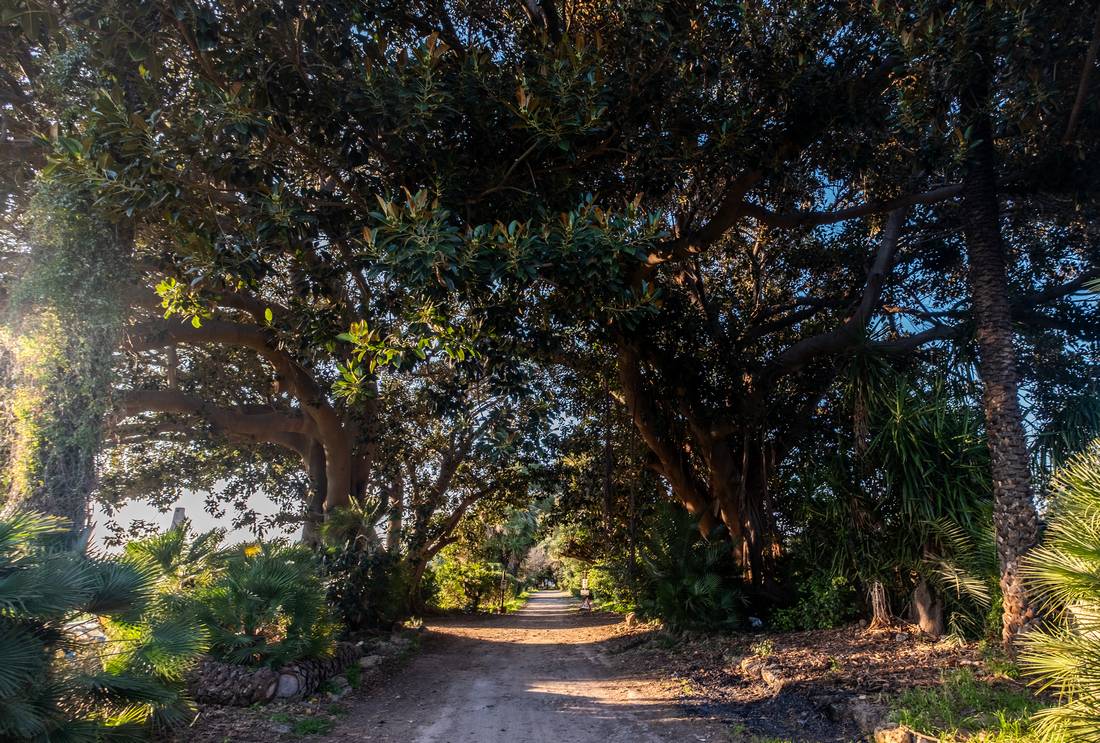
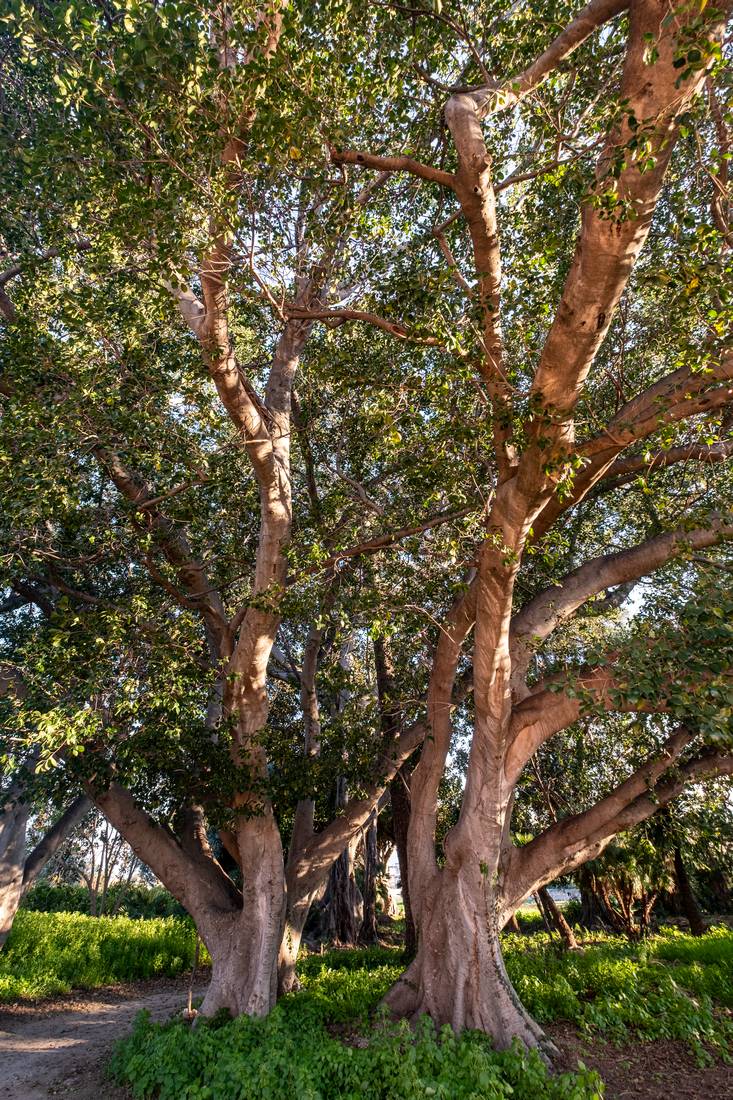
Honor avenue: The honor avenue of Villa Spina is a characteristic element of its park, one of the few remaining almost intact in Palermo. Originally, the garden was structured with orthogonal avenues that delimited the areas intended for orchards. Subsequently, the fruit garden was replaced by a large romantic avenue with a central boulevard flanked by privet hedges. Around what remained of the orchard, tropical flora was introduced with palm trees, cycads, yuccas, dracaenas and aloes. The honor avenue area is enriched by elements typical of eighteenth-century gardens such as benches, arbors, statues, marble stelae, fountains and exedrae. One of these exedrae is located at the center of the honor avenue, shaded by fig trees, while another, smaller and more secluded, is found in the rear avenue. The avenue then continues between irrigated vegetable gardens and lush citrus groves, leading to a grotto that allowed passage from one side to the other of an artificial hill.
Exedrae: Two exedrae enrich the garden: a large and scenic one located at the center of the honor avenue and shaded by fig trees, and another smaller and more secluded one located in the rear avenue.
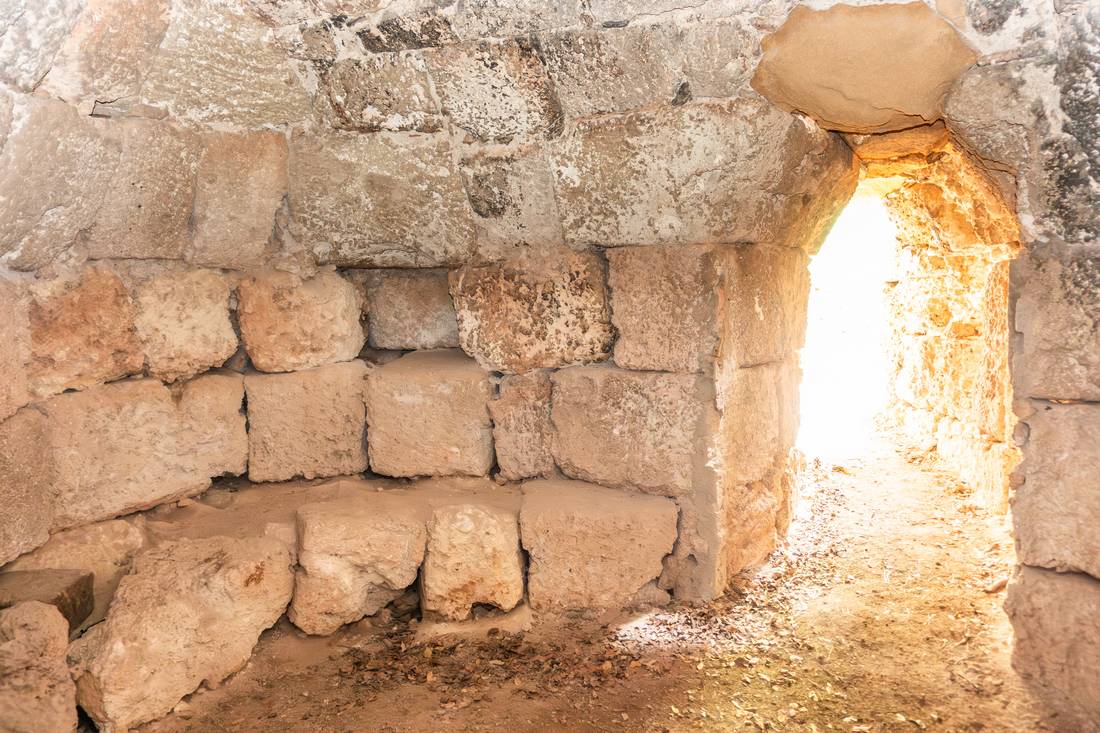
Artificial grotto (Scirocco Chamber): Villa Spina in Palermo houses a “scirocco chamber” within its park. This structure was designed as a refuge from the hot and humid air currents coming from Africa. Its ventilation system exploited the entry of fresh air from the north, which was channeled inside the grotto and then exited through the opposite opening. An additional ventilation hole, located on the vault of the southwest corridor, facilitated the expulsion of hot air.
The scirocco chambers, like the one at Villa Spina, represent an example of how humans have devised ways to create comfortable environments in hot climates. Their origin can be traced back to the Arab world and ancient Persia, where “sirdáb” were built. These semi-underground environments, equipped with fountains, water mirrors or channels, had the purpose of cooling and humidifying the air.
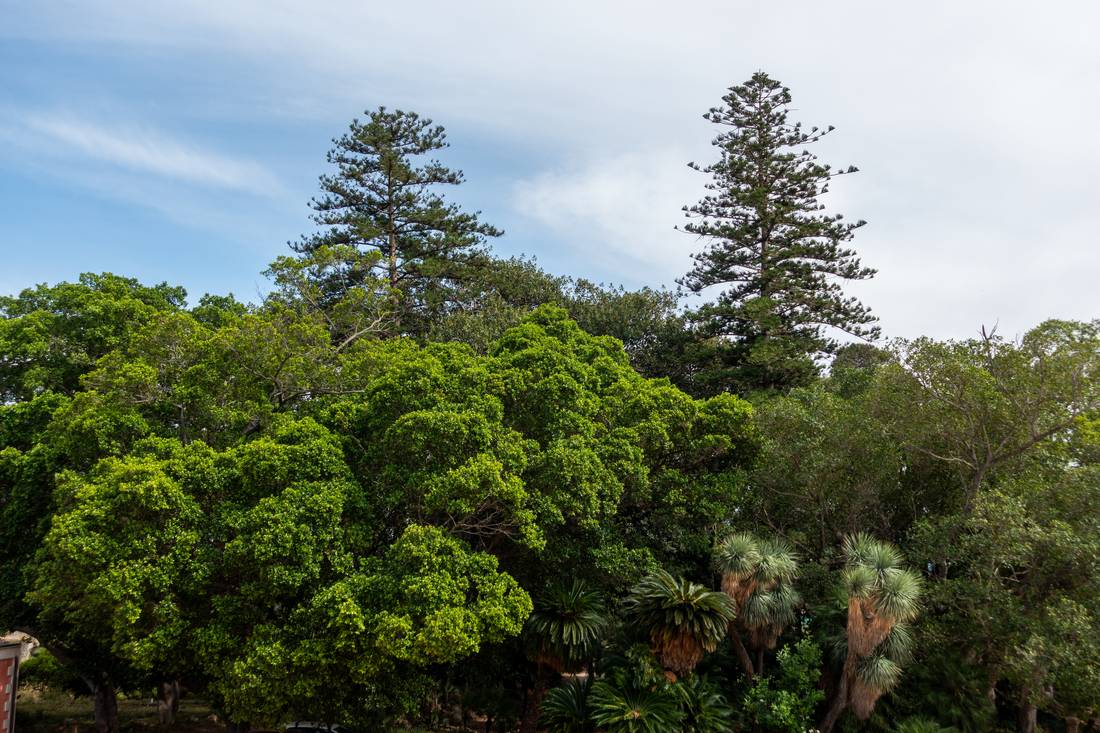
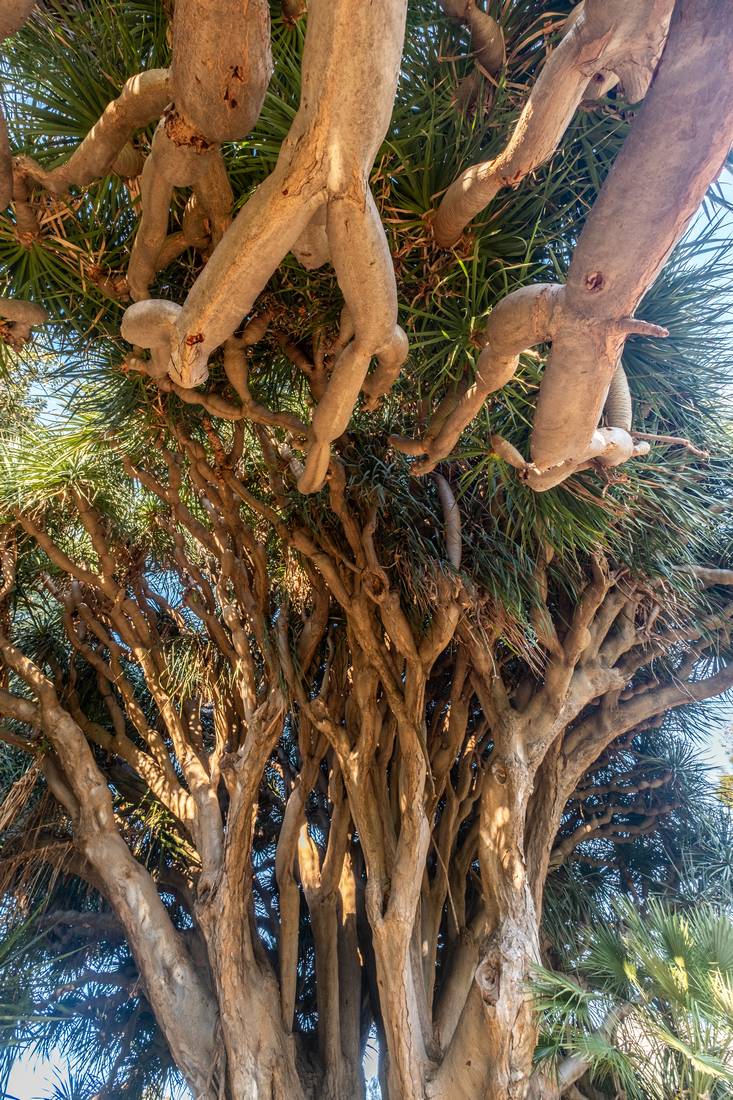
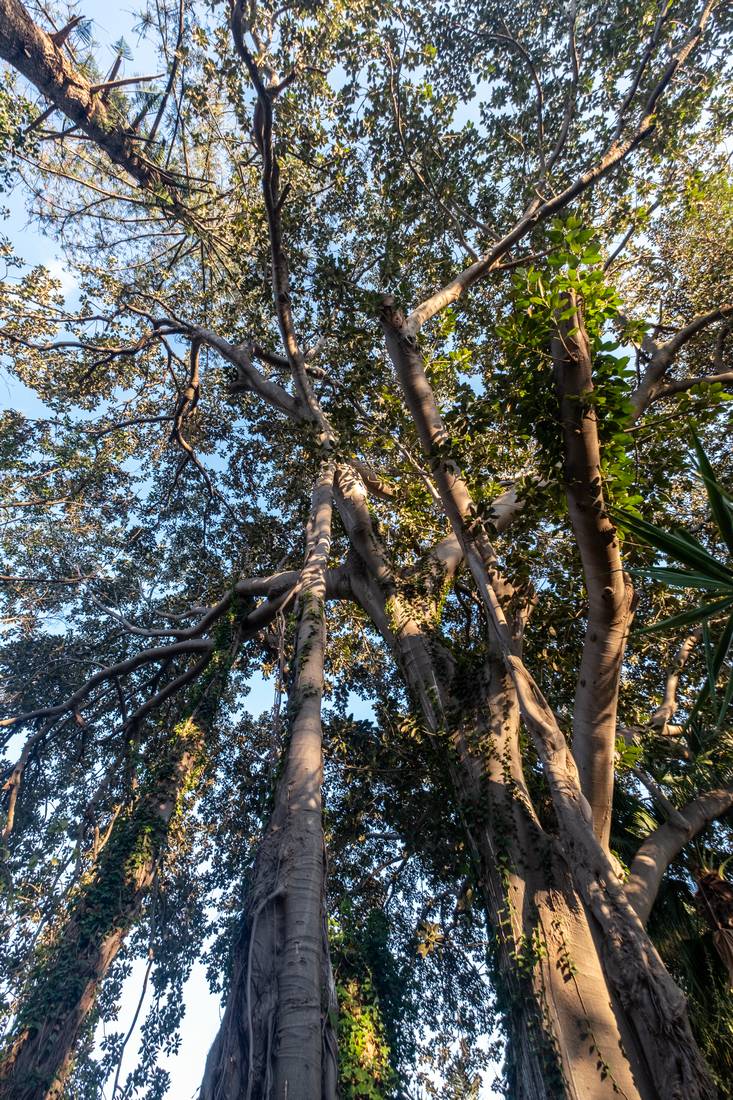
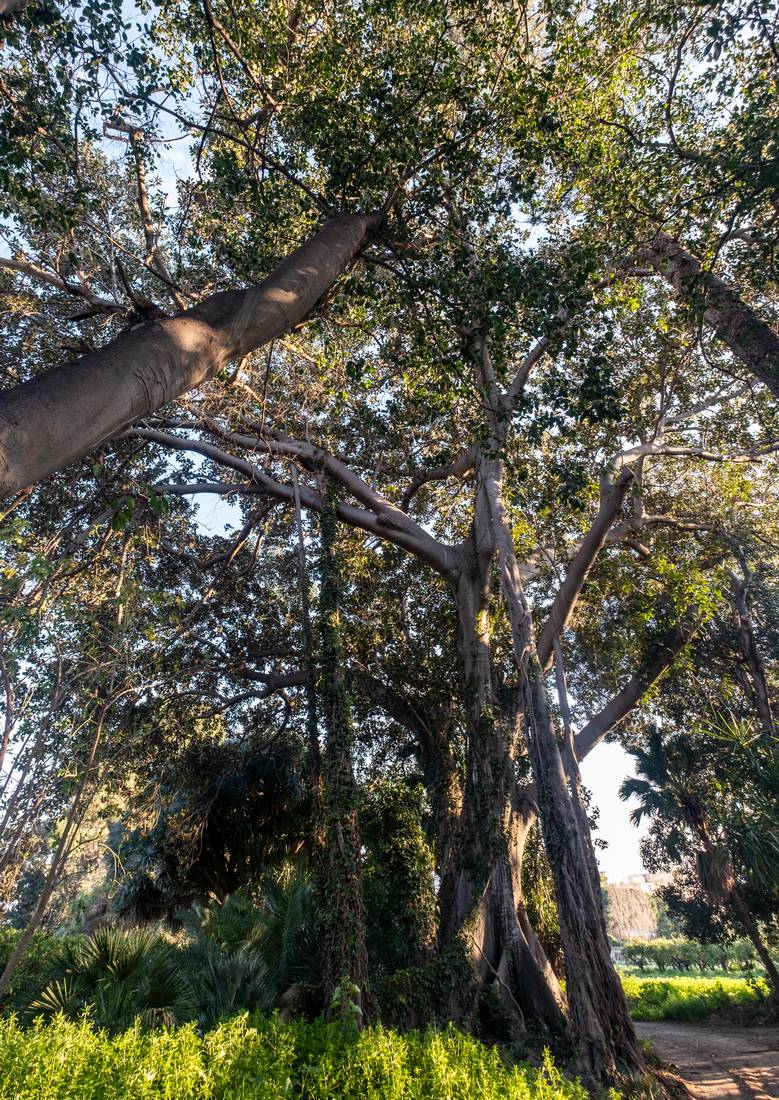
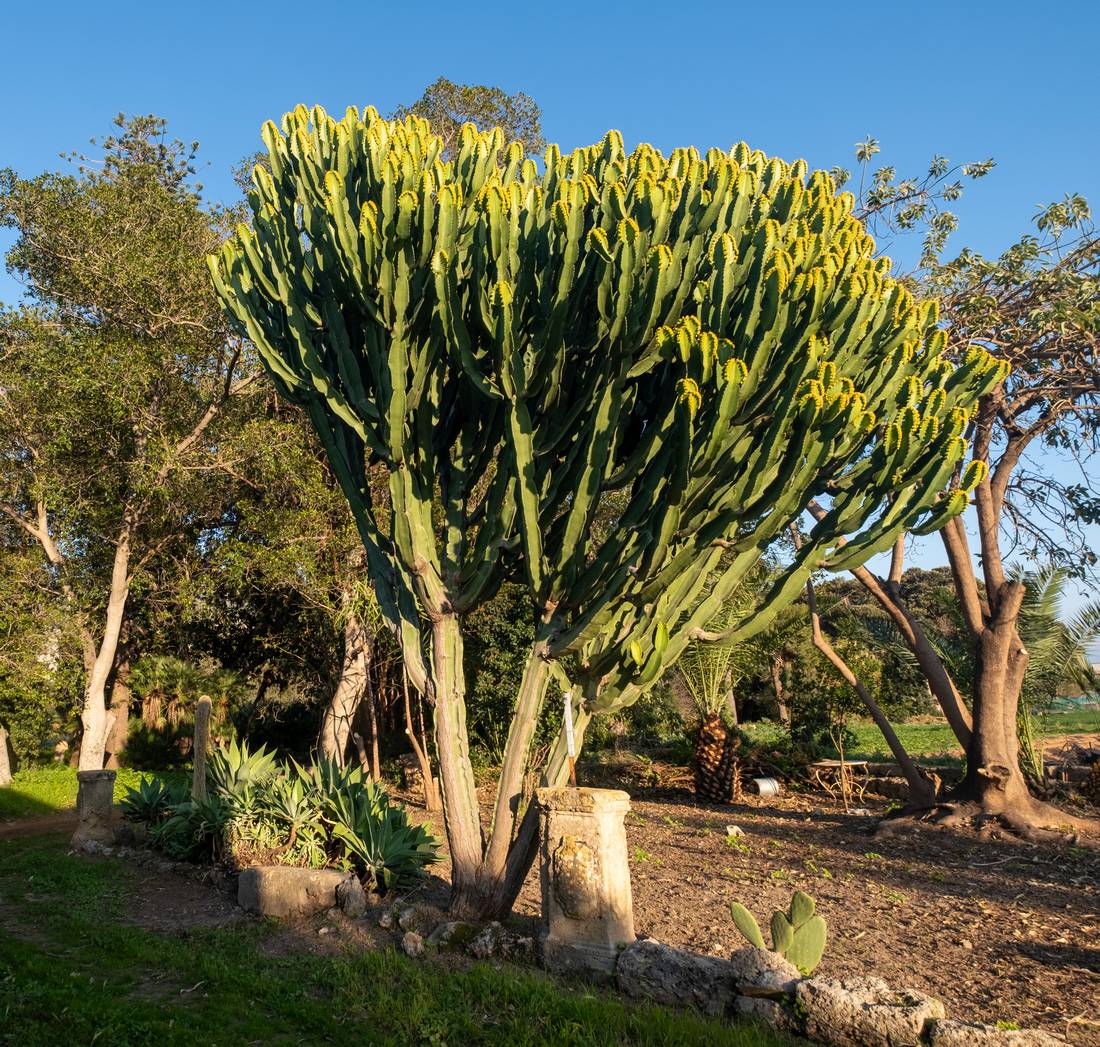
Botanical varieties: The park of Villa Spina is one of the few green areas remaining almost intact in Palermo and presents a remarkable variety of plants, typical of eighteenth-century gardens. Along the main avenue, flanked by privet hedges, there is an exedra shaded by imposing ficus magnoloides. The garden also preserves elements of its original orchard vocation, with lush citrus groves extending along the avenues. During the nineteenth century, the park was enriched with exotic species, including palms, cycads, yuccas, dracaenas and aloes, which give the landscape a tropical atmosphere. In addition to these species, Leyland cypresses can also be found in the park. A 2023 document reports the presence of a prickly pear that grew spontaneously near an exedra. The garden enhancement project includes planting climbing plants around the new pergola
Circular fountain and hunting pavilion:
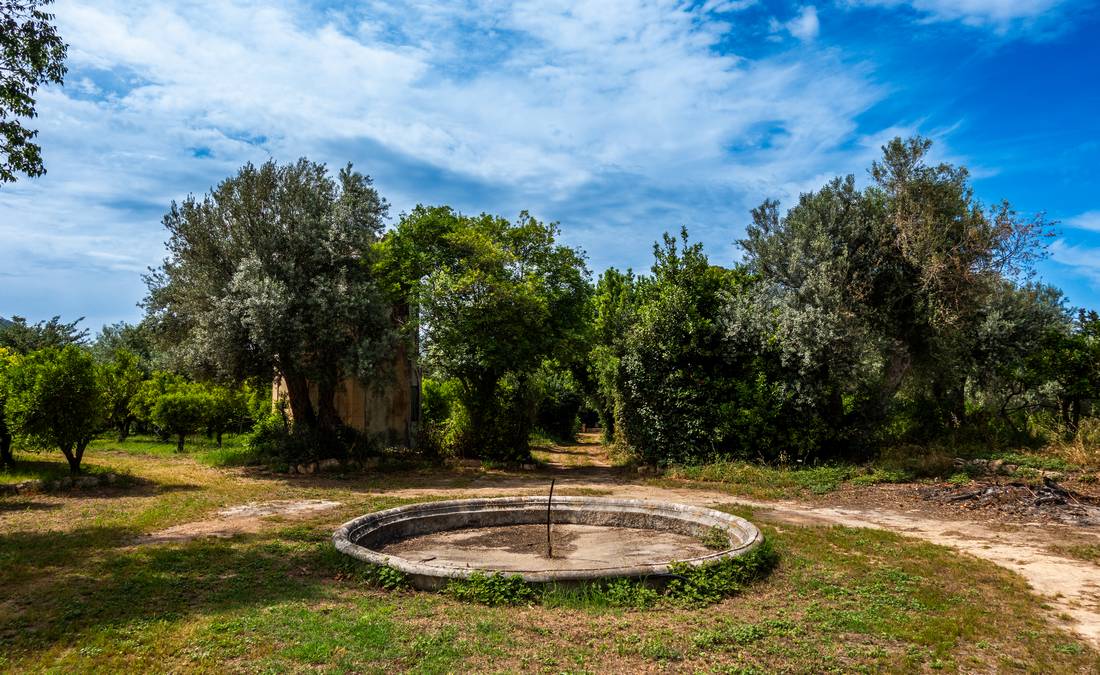
The fountain and pavilion are located along the central path of the park, in the rear part of the villa. No further information is available in the provided sources regarding the history, architectural style or specific characteristics of this fountain and hunting pavilion.
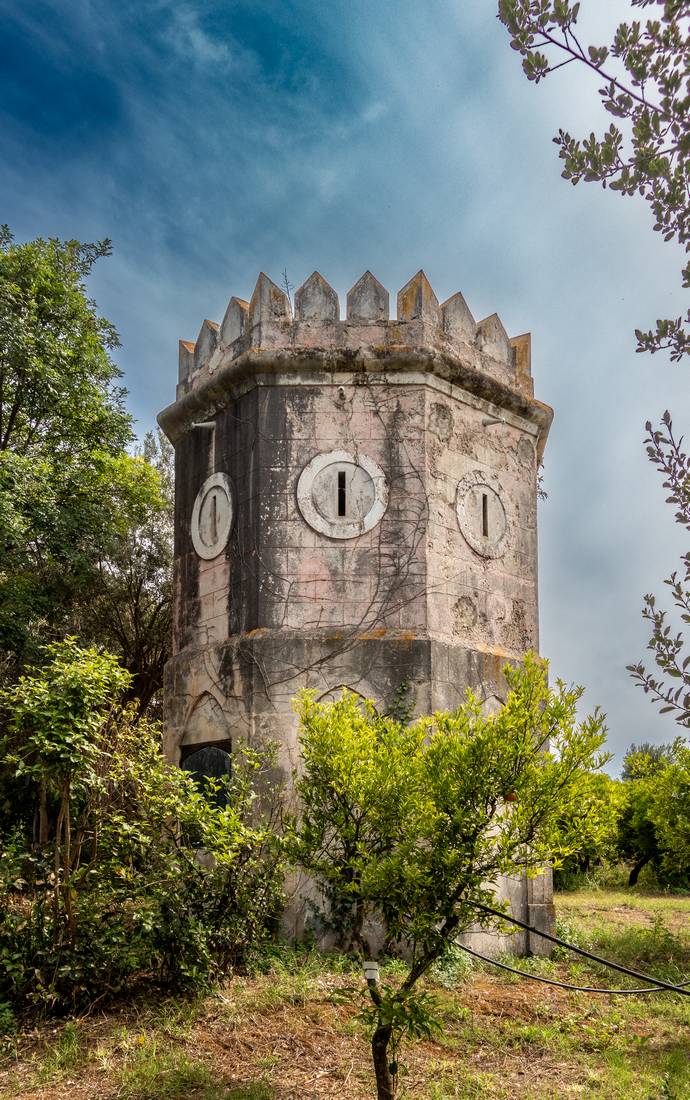
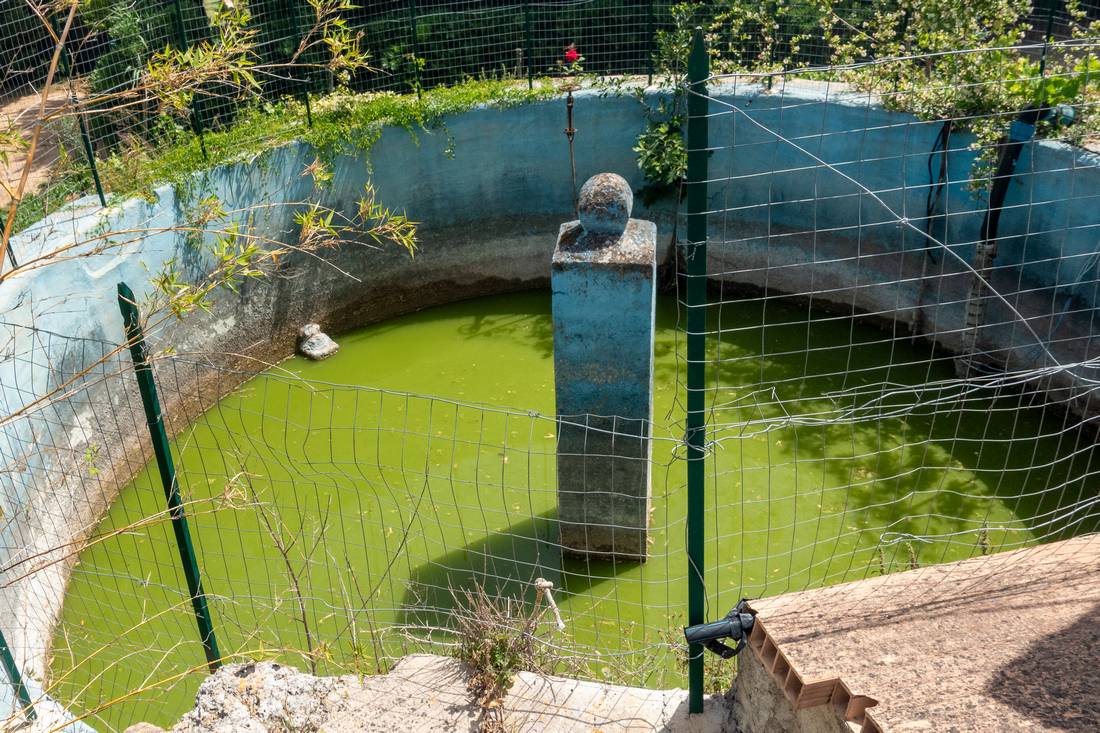
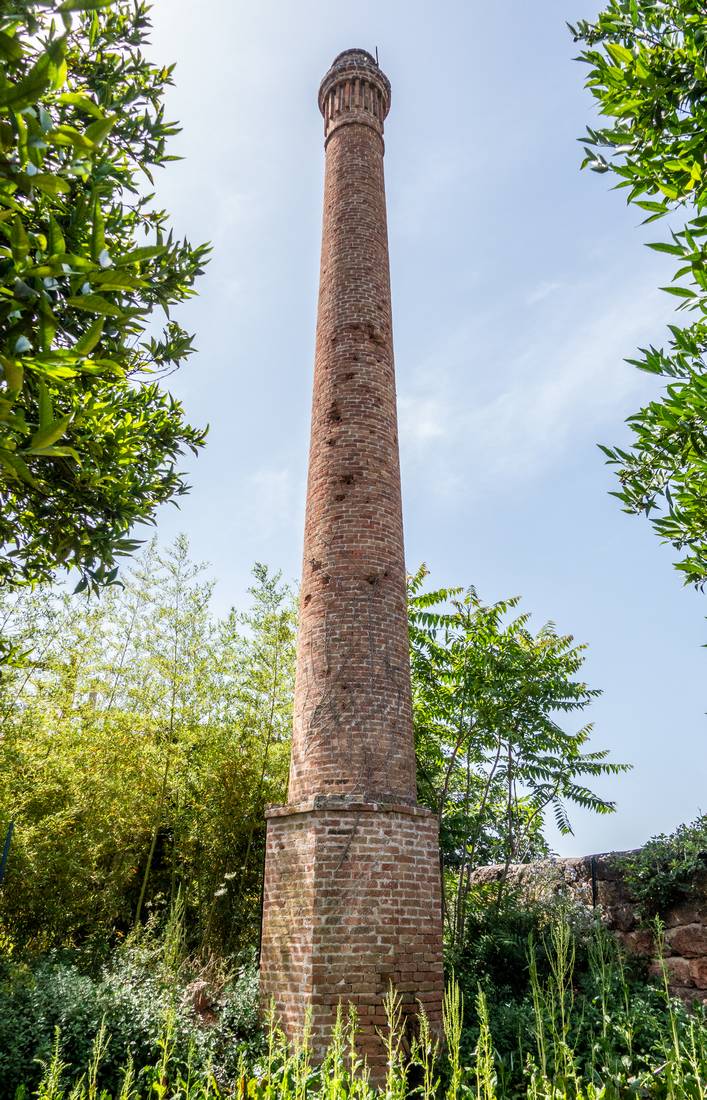
Circular gebbia and water chimney tower: Villa Spina features a structure called “gebbia” located in its historic garden. The gebbia is a circular structure with a water chimney tower and is considered a point of interest within the garden. The proposed visit route for the garden includes the circular gebbia and water chimney tower as one of the main points. No further information is available in the provided sources about the history or specific function of this gebbia.
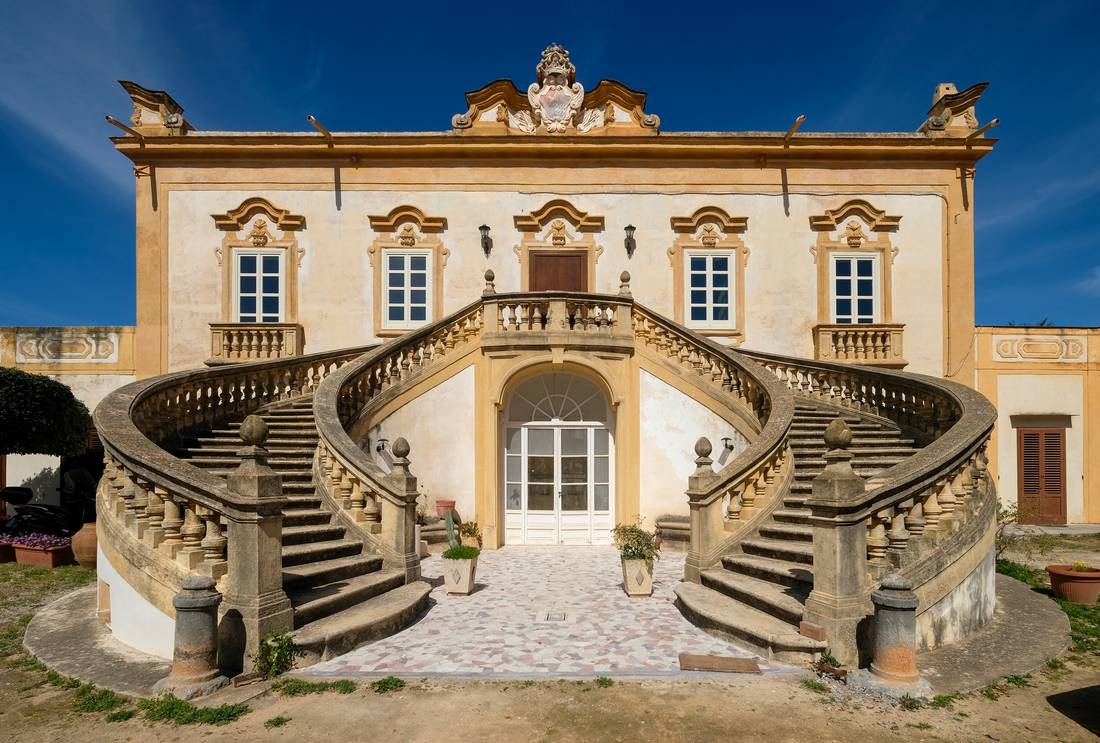
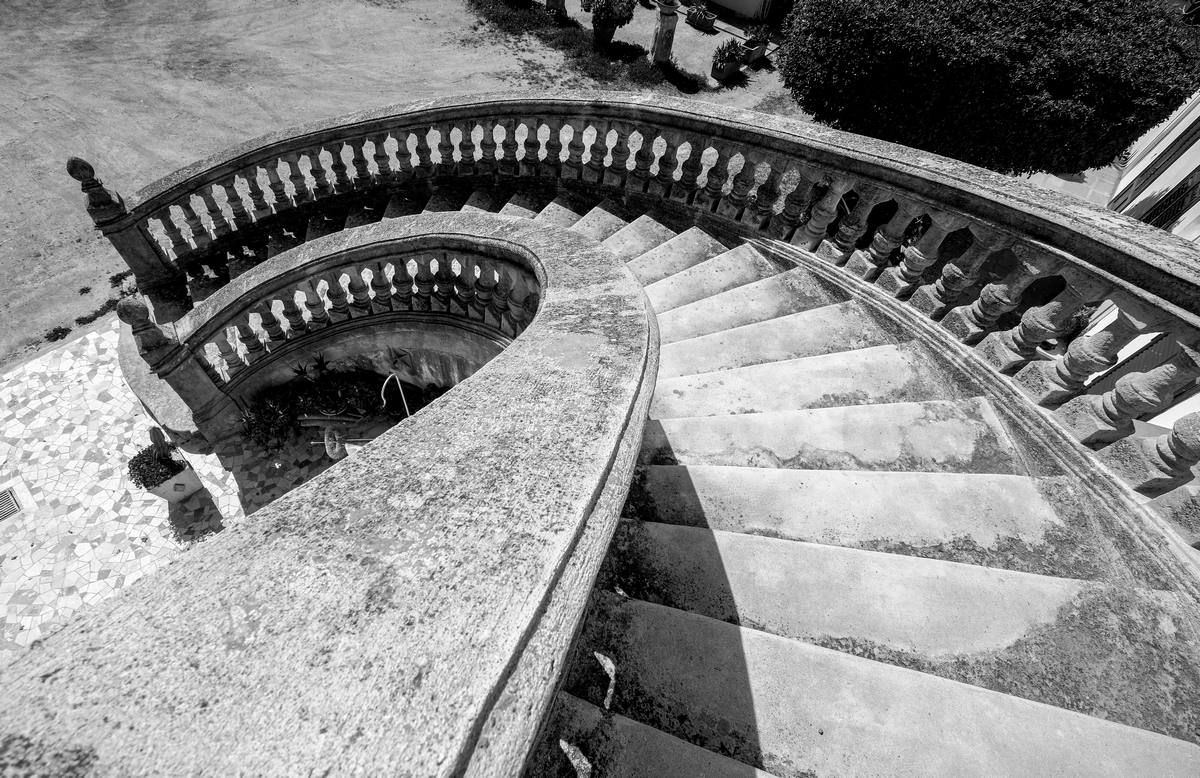
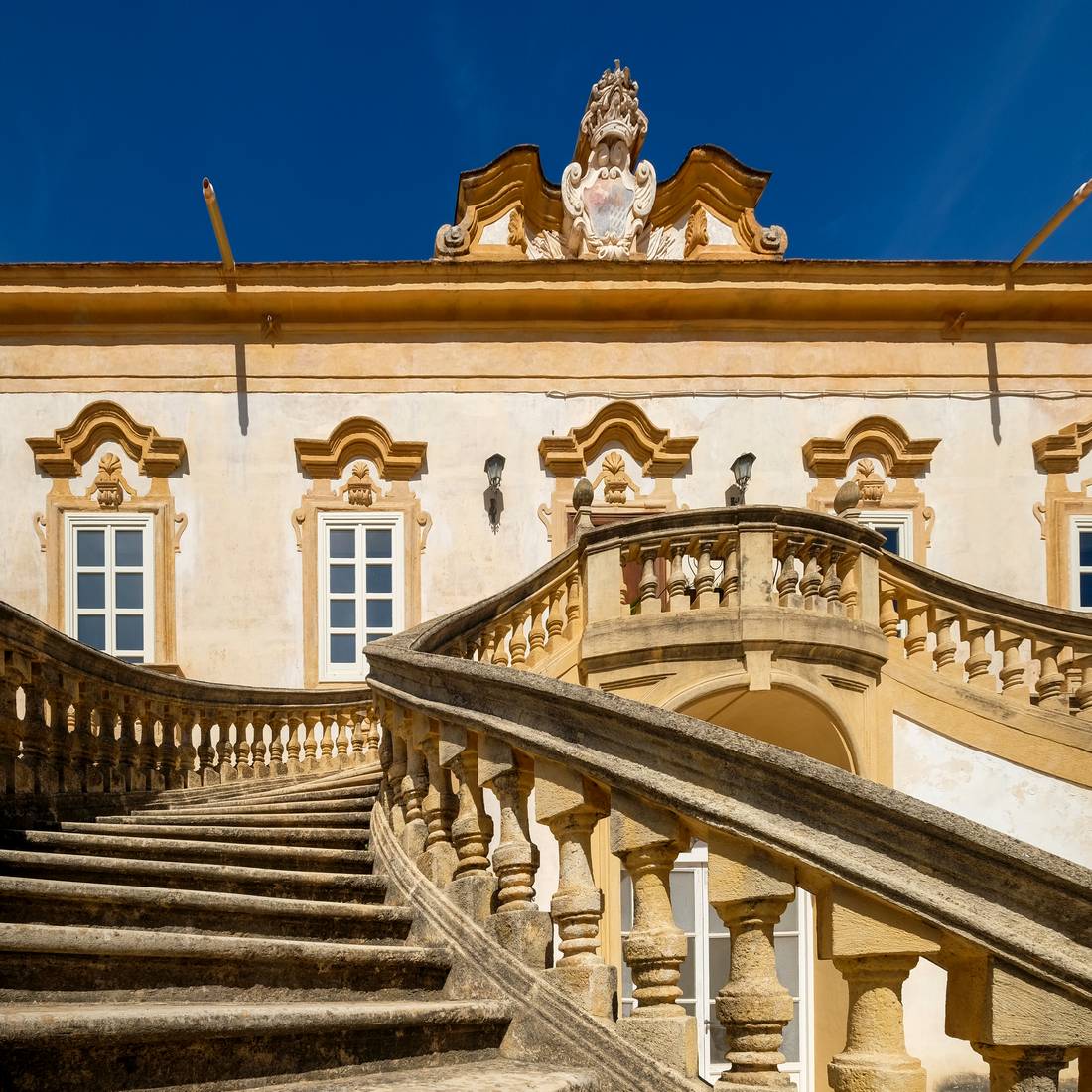
Monumental pincer staircase: The staircase of Villa Spina is an external double helical ramp staircase that leads to the noble floor of the building. The staircase is built in rustic style and is decorated with garden vases with anthropomorphic shapes and balustrades with shaped columns. Although it contributes to the scenic effect of the villa, its grandeur has been described as almost excessive compared to the modest dimensions of the building. The presence of the staircase is significant because it gives lightness and monumentality to the structure, which would otherwise appear heavy.
The decision to include such an imposing staircase, despite the contained dimensions of the villa, highlights the importance that architects of the time attributed to this architectural element. The staircase, in fact, was not only a functional element, but also represented a symbol of prestige and aesthetic refinement.
In addition to the staircase of Villa Spina, in Sicily there are various architectural solutions for the insertion of monumental staircases in villas, particularly regarding the relationship between the straight front of the building and the plasticity of the staircase.